I’ll preface this whole write up by making one point very clear, Tunic is the best game I’ve played in years, likely my favourite since Breath of the Wild. It evokes that same sense of adventure and discovery that made my trip to that version of Hyrule so unforgettable, and in all honesty it does it better in pretty much every way. From the first minute to the last, Tunic takes you on an adventure, one driven by the players desire to learn and explore an alien world that does little to help them acclimatise to it.
It’s a world of wonder and discovery, with the majority of progress gated not by abilities, but player knowledge. Unlike the majority of fantasy games that immediately ensure the player has a sense of comfortability within the place in which they find themselves,Tunic opts to give the player complete freedom to make their own journey of understanding. This will no doubt alienate some, but those who are willing to invest themselves will be heavily rewarded for it.
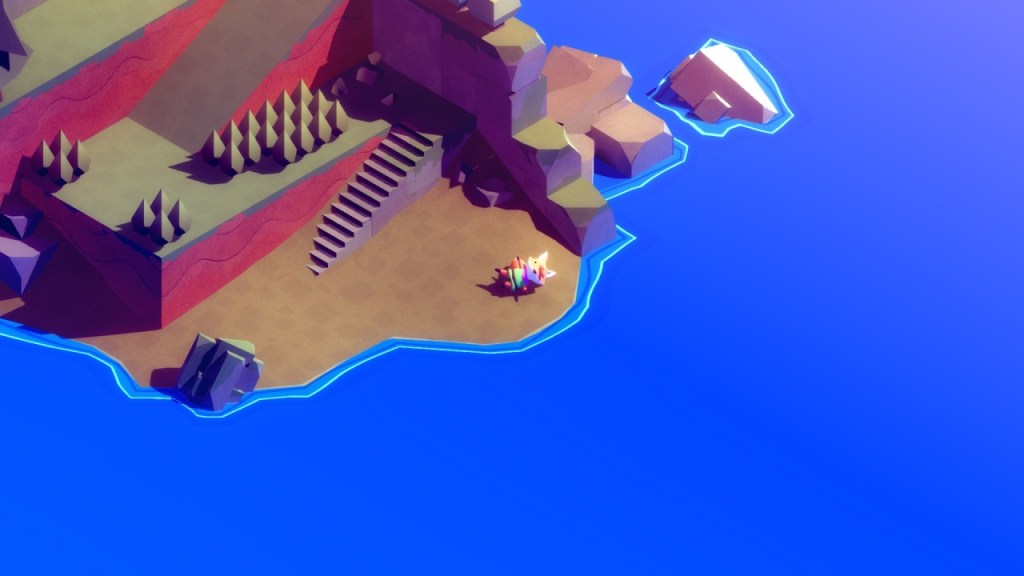
From a glance, and this introduction, you’d be forgiven for thinking Tunic is just the latest in a long line of indie games that heavily lean on the classic Zelda formula. And whilst it certainly lifts some concept from the long-running series, so much of Tunic steps out of the Zelda shadow to the point where it feels incorrect to apply such a broad label to it. Zelda no doubt exists in the DNA of Tunic, but it’s differentiates itself in so many ways unlike a lot of its contemporaries that receive the same discourse amongst the more unaware gaming populace.
I’m keen to get into the meat of this piece, but I want to just place one more thought on the table before I start. It is my opinion that at its core Tunic is a puzzle game, perhaps not presented in the comfortable way we’re use to, but one nonetheless. In fact I think it highlights the inherent flaw with attaching games to fixed ideas of genres, but that is a rant for another time! So much of my experience in Tunic, ranging from combat encounters to discovering new hidden areas, is built on solving something. It can be as obvious as a literal puzzle to unlock a door, but it also presents itself in much more obtuse ways, enemies often require solving in their own way. Complaints over boss difficulties are certainly valid, but treating them as just another puzzle allowed me to view them in different, previously unseen ways, ways that ultimately let me brush past them. Shall we get started then?
A Quest For Knowledge (And To Become A Hero Obviously…)
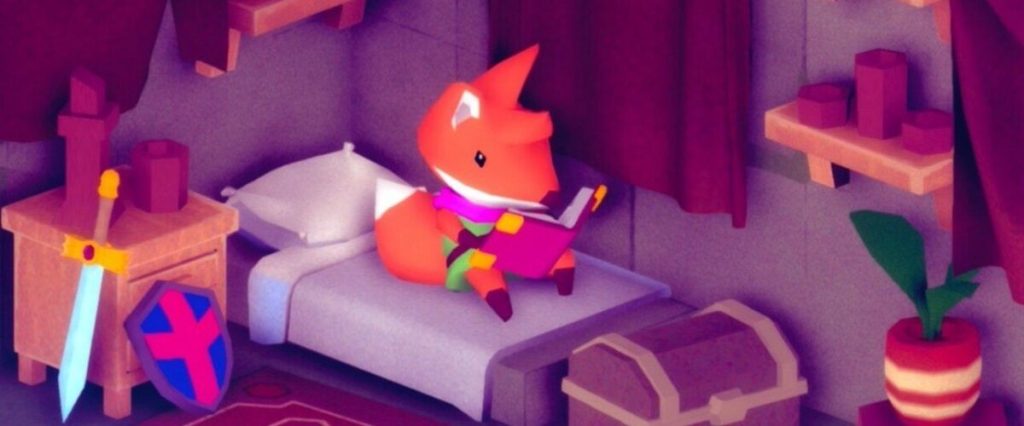
Tunic immediately sets the tone for the adventure ahead by dropping you straight into it’s world with no guidance or goals. Your adorable little fox character, whose plush is equally adorable (and has been purchased by yours truly), wakes up, gets his footing and then hands you the reigns. You’ll quickly realise that both you and your foxy friend are both in the same position, exploring an alien world that gleefully refuses to explain much unless you go find it yourself.
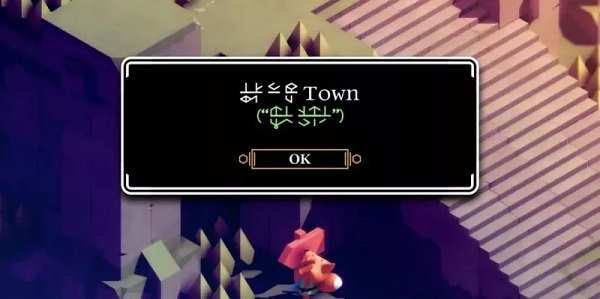
A strange gold platform greets you straight away, but you have no idea what to do, so you make a note of it and press forward. Then you stumble onto a cave, and find your first weapon, a rather ineffective stick, still swing it hard enough and you can deal a hefty wack. From here it’s a question of where your curiosity leads you, and this is how Tunic presents its world to the player throughout. If you’re eagle-eyed you’ll spot a sign, thank the fox we have guidance! Not quite I am afraid… We can make out ‘town’ but the rest of this sign, as is the case with so much of the text in Tunic, is written in Trunic, a language that neither you or Mr. Fox can understand. This technique is used across the game’s world to offer the player small nibbles of information and guidance, without compromising the wider experience itself by over-explaining things.
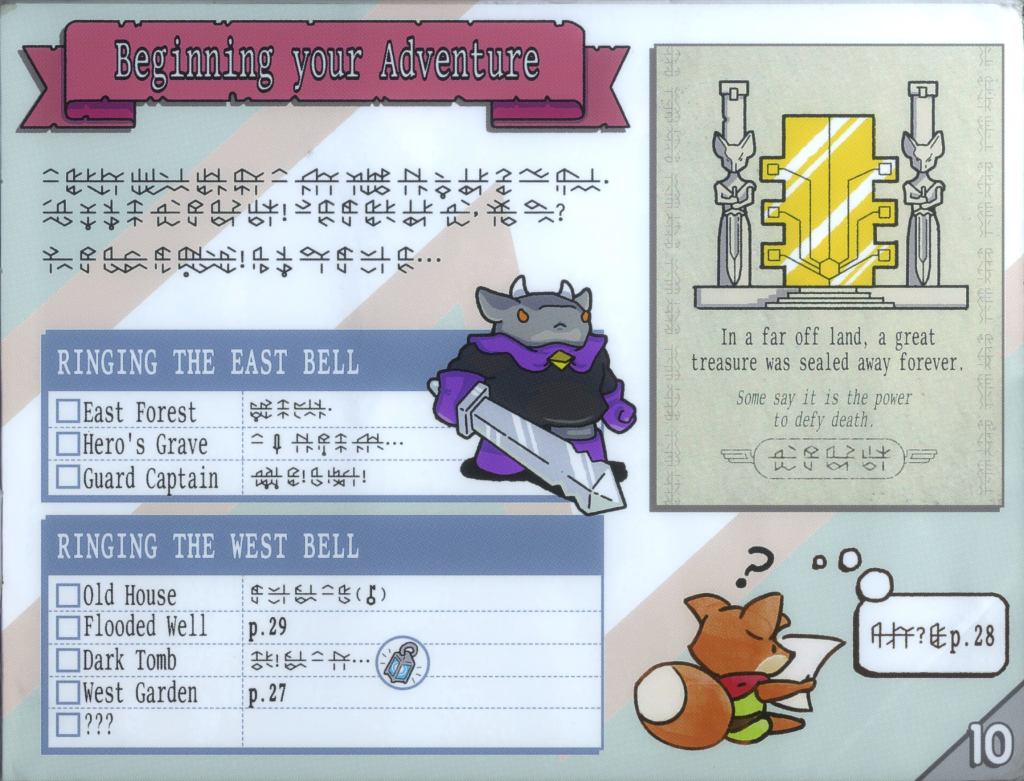
You’ll probably be able to pick up at this point that nothing in Tunic is simple, and the story, as well as the way it is told, is no different. Everything you will learn about the goings-on of this strange world is player led, and heavily relies on your ability to both unravel the games manual, more on that shortly, and understand the rich environmental storytelling present in pretty much every area you can explore. As you embark on your journey you’ll quickly stumble upon a page of the game’s manual and here is where Tunic goes all meta and fourth wall breaking on the player.
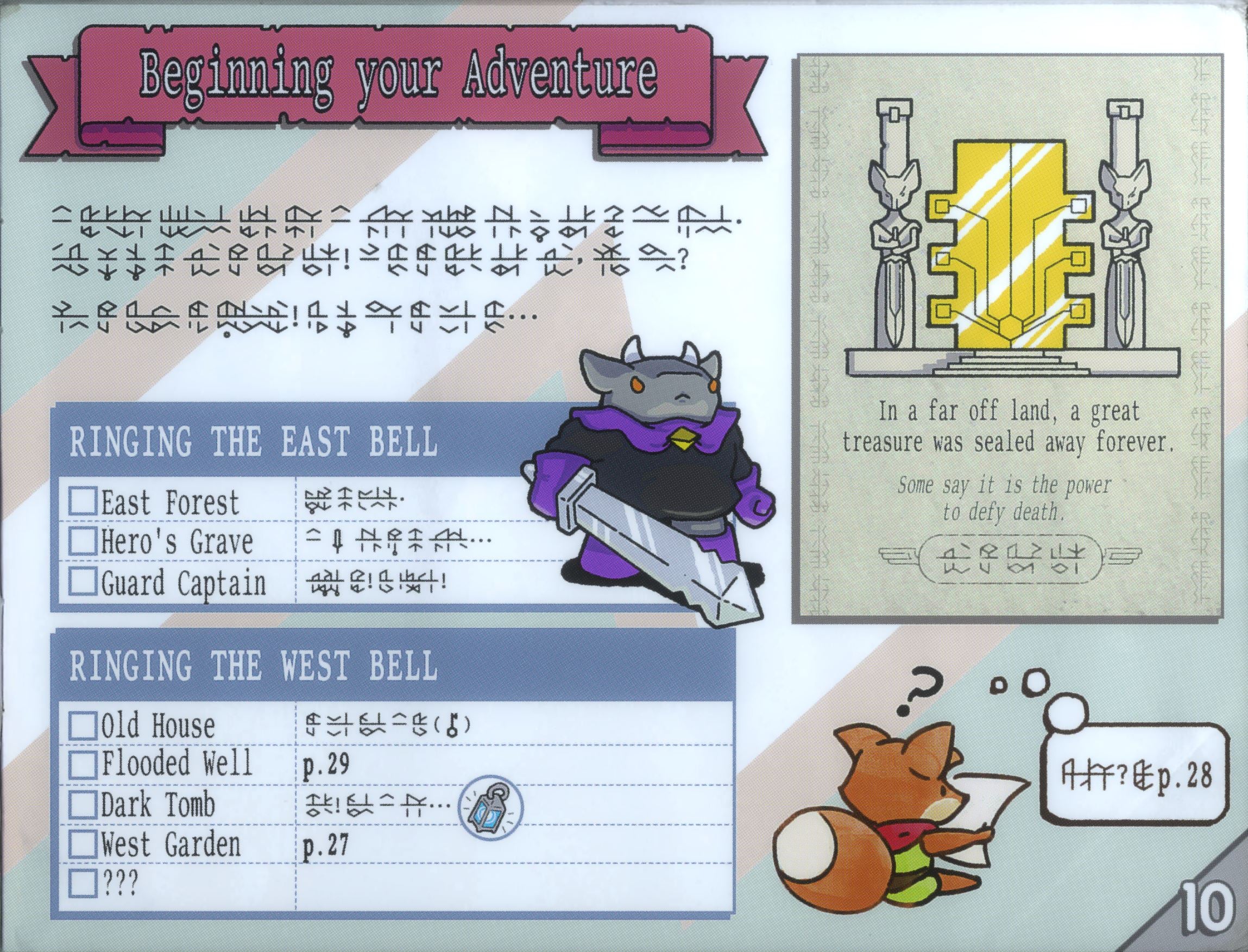
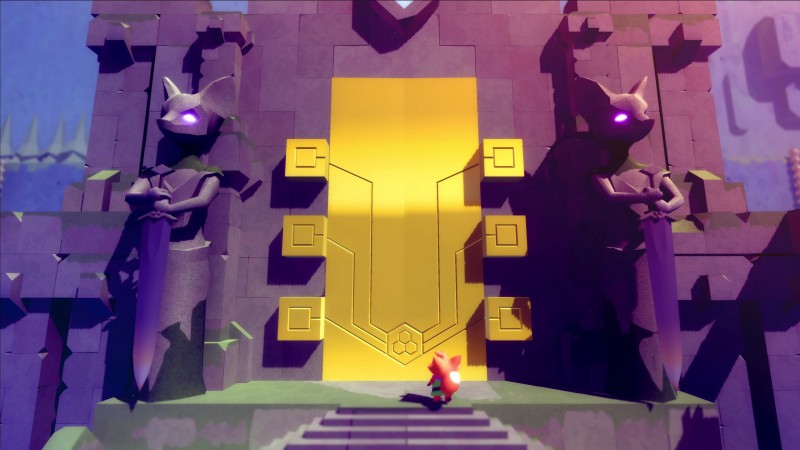
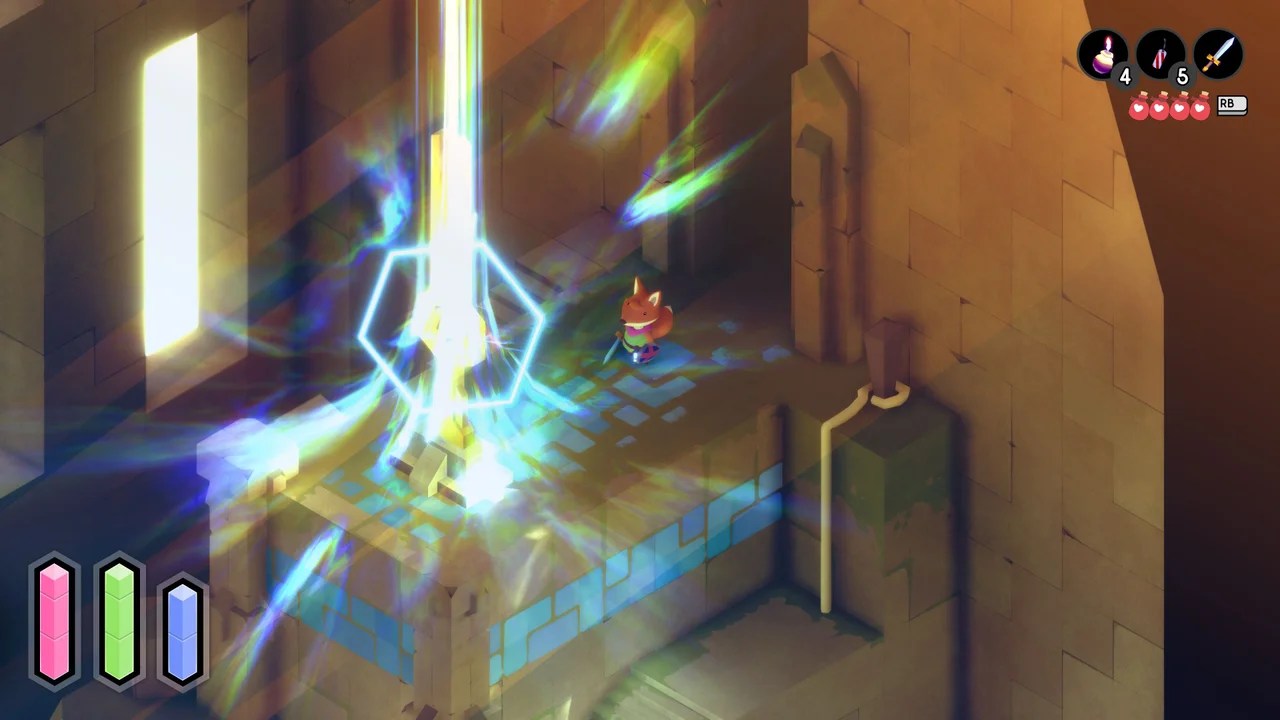
Manual pages are primarily presented to the player as a reward for exploration, and are Tunic’s favoured method of delivering snippets of lore, as well as subtly guiding players forward. It does a good job of pushing you in the ‘right’ direction, and as long as you keep an eye out for new pages, the manual continues to be useful reference point through the entire adventure. Later pages provide maps for dungeons, offer vague hints on different mechanics, and are also part of a much wider puzzle that we’ll loop back to later on…
It’s an ingenious way to present information, and evokes memories of poring through physical manuals back in the good old days (Ok Grandad…) to figure out controls and glean any tips that you can in order to beat that boss. It’s an idea that certainly wouldn’t work for many games, but it is executed brilliantly in Tunic. The decision to primarily write the manual in Trunic is genius too, further cementing your status as a unknowing visitor to these lands, with small readable sections offering a small base of understanding that let’s the imagination run wild.
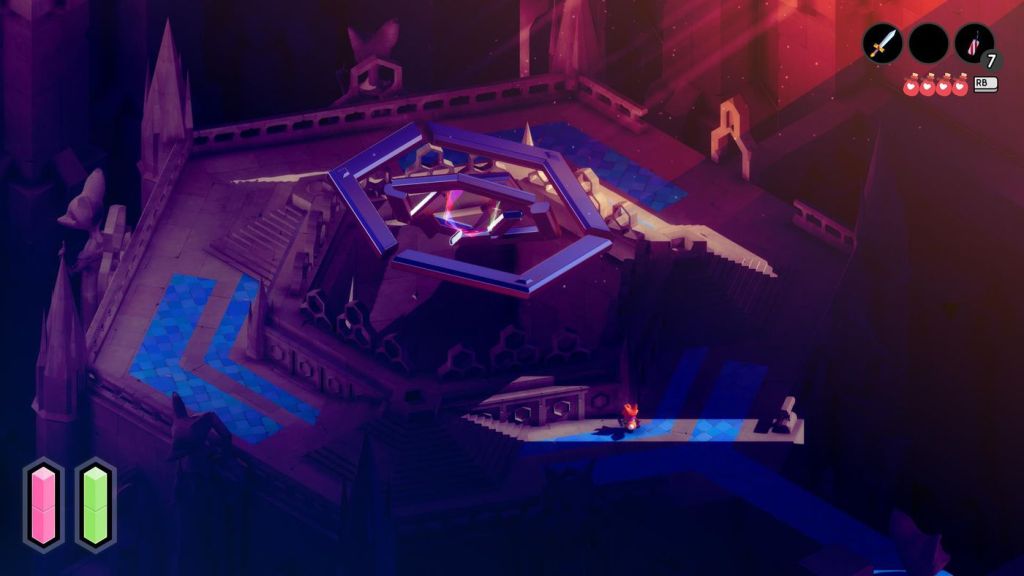
Without going into any heavy spoiler territory, Tunic’s story structure is heavily reminiscent of Ocarina of Time. Collect three super important and mysterious thingimajigs, go visit a temple and then… I’ll stop there, but the facts are Tunic definitely uses the major beats seen in games like Ocarina of Time and Link to the Past, but it works well and the second half of the game shifts things into some quite unusual directions.
Leaning into this familiar form of storytelling is perhaps one of my strongest criticisms of Tunic. It’s predictability (mainly in the first half) took away some of the mysticism that made me fall in love with it, although this is only really relevant if you’re used to this arc because of past experiences. After I collected the first thingimajig, I instantly realised the direction the story, at least at this stage, was heading in. Whilst it didn’t make the experience any worse, the fact that Tunic relies on the player’s lack of knowledge meant that having a small idea of what was to come momentarily took away the enthralling sense of adventure and intrigue that I’d experienced in the early stages and circle back to again in the second half.
With that being said, nothing could have prepared me for where the narrative heads off to in the latter stages of the game. Each environment you’ll stumble into during the second half of Tunic is packed with small nudges and hints to the wider, somewhat disturbing, reality of what’s actually going on. The build up to the game’s climax is brilliantly paced, and by the time the credits roll for the first time you’ll likely be overcome by an immediate sense of satisfaction, followed by that momentary sadness that I always encounter after finishing a great game, knowing you’ll never be able to experience it for the first time ever again.
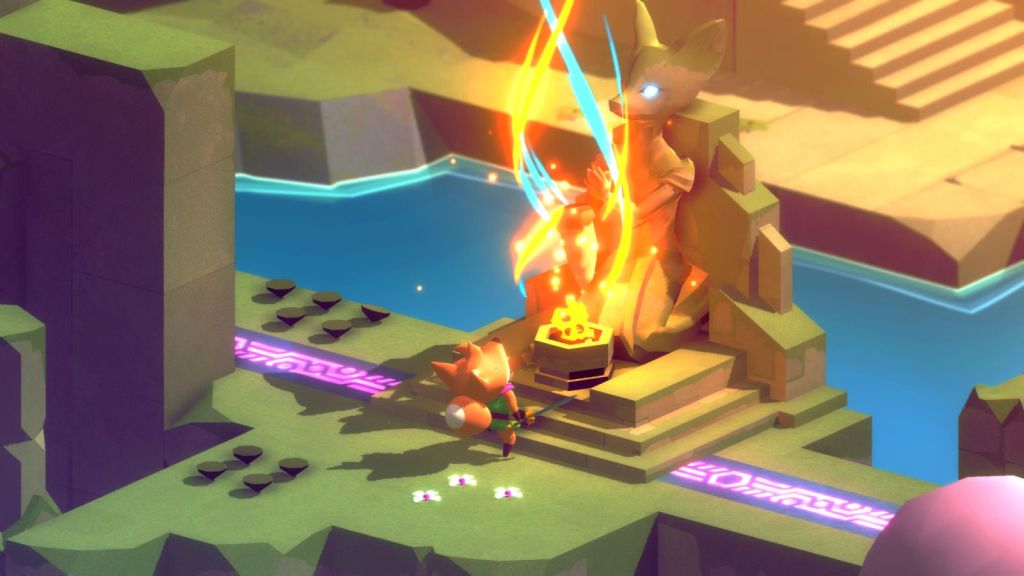
Except you (kind of) can do that in Tunic, well you can discover another ending at least. Tunic’s true ending is likely not the one you’ll experience the first time you play through it, and I can’t possibly divulge too much because it’s something worth finding yourself. It is well worth it though, and the process you’ll go through to get there celebrates everything that makes Tunic as good as it is… No more from me!
Getting To Grips With That Foxy Feeling
As mentioned in the introduction, the immediate reference for many elements of Tunic, gameplay included, is Zelda’s 2D adventures. Whilst we’ve discussed the weakness in using such framing, elements of Tunic’s gameplay certainly are certainly familiar to that aforementioned series as well as some evident Dark Souls inspiration. Shrines act similar to bonfires, some of the magic-based weapons remind me of the elemental wands often dotted across Link’s adventures, and Tunic’s stamina (and dodge roll) system definitely brings FromSoftware’s infamous combat design to the forefront of my mind.
Tunic’s gameplay is its own though, and despite it’s influences being fairly clear to decipher, it still preserves an identity of its own that comes to the surface and is mainly driven by that sense of exploration that perforates across every element of gameplay. You’re an explorer in this land, and Tunic knows that, employing it at every opportunity.
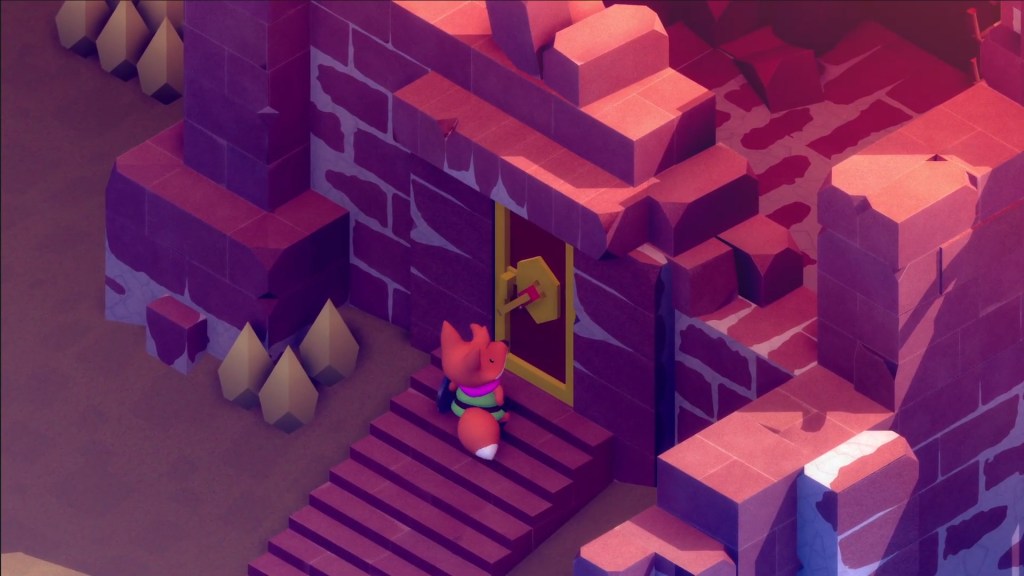
An interesting concept Tunic uses constantly is ensuring most elements of progress are not gated by skills or abilities, but knowledge. Many of your wily fox’s abilities are ‘unlocked’ by a manual page hinting how to perform them, and the context in which they can be useful. One of these said abilities can be triggered by holding a button down for a few seconds in the correct places, you can literally do this right from the beginning of Tunic too, you just didn’t know! It’s a clever system to have in place, and can be hugely rewarding to curious players who can manage to jump ahead of the manual and learn some of these tidbits themselves. Even some of the late, late game revelations are discoverable right from the start, again it’s a lack of knowledge, not fancy gizmos that guard Tunic’s many secrets.
These knowledge gates are accompanied by clear cut objectives that somewhat limit how far you can adventure, but there’s still a wide enough scope that you’ll no doubt get a bit lost every once in a while. The maps you’ll discover from the manual are detailed enough so you’ll always have a decent idea of where you are though, a welcome hand out in an otherwise hands off journey. I was a big fan of this open-ended approach to progress, the manual does a good job of giving you small nuggets of knowledge that are effective at placing ideas in your mind whilst leaving enough space to let your imagination fill in any gaps.
There’s arguably some minor pacing problems at time, something I consider a natural consequence of the game’s whole style, and whilst I 100% recommend experiencing Tunic without any exterior help or guidance I can understand why some players will lean into guides to fill in the blanks. It’s hard to consider this a flaw of the game though, it’s designed to function exactly like this, and in my opinion does enough to give the majority of players the ingredients they need. Not everyone can bake a cake though, or sourdough if you’re more savoury inclined?
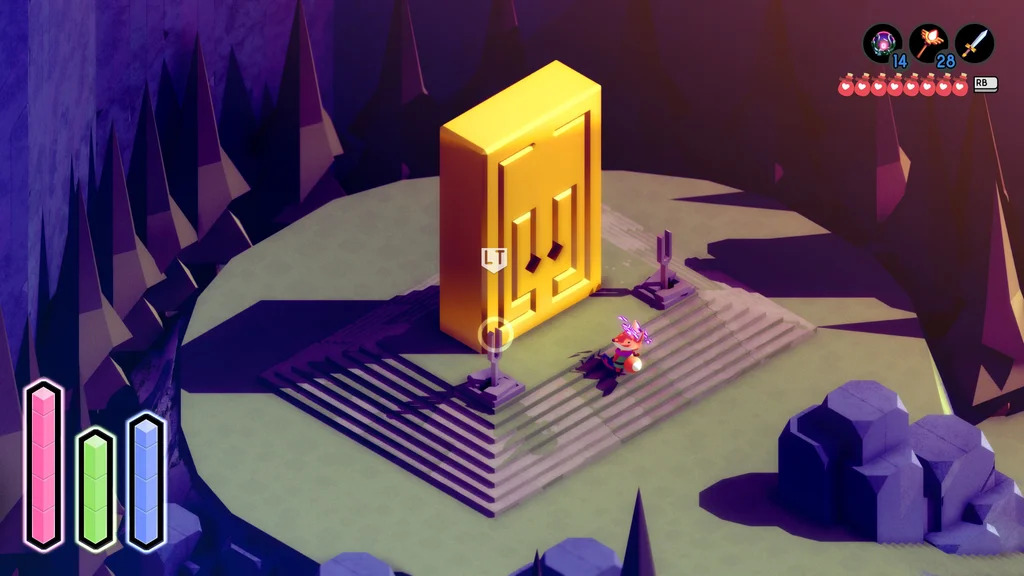
Tunic is a puzzle game at heart, and like every puzzle game, it will leave some players behind. I think some of the criticism surrounding the game comes about because of a failure to understand this fact. It’s not a whimsical 2D Zelda game, nor is it an action-packed Souls game, Tunic is a puzzle game that also makes you rain down hell on any beasts unfortunate enough to get in the way. The manual contains every answer you could possibly need, you might just need to flick through it for a bit to figure out where you go next, which is kind of the point, right?
If you’re not willing to play Tunic with a pen and paper next to you, you’re kind of missing the point…
Fantastic Mr. Fox
Combat is the other major pillar that makes up the core experience in Tunic. When you’re not slowly bimbling your way around solving puzzles and failing to not get too overwhelmed by how damn cute our foxy friend is, you’ll probably be trying to violently take down a group of Slorms or dodge roll away from a particularly feisty Chompignom. Tunic’s choice of enemy names is quite excellent too for the record, so before we hop into the combat I’d like to just dedicate a small portion of this piece to more of these fantastic names:
Chompignom – A speedy albeit clumsy crocodile-like creature (basically a T-Rex)
Crabbo – Literally a crab creature, as inventive as Krabby but I love it.
Frogs – Frogs with assassin training, obviously…
Rudeling – A weird beast knight thing, not particularly rude just a bit violent. I guess Violentling doesn’t run as well off the tongue?
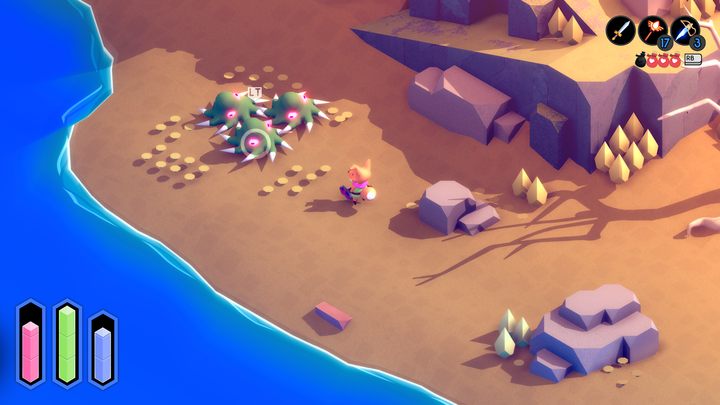
I could go on, but I think I’ve made my point. Arguably something more important than names though is what exactly these various beasties bring to Tunic’s combat. Considering how basic the player’s combat tools are, there’s a decent degree of depth in encounters that is only strengthened by a strong roster of enemies that present different challenges to the player. Earlier encounters are primarily close quarters and will heavily rely on your ability to master the sword and dodging mechanics. As you progress and (hopefully) discover wands, bombs and even a damn gun, combat evolves into a more tactical affair at times. Your new tools offer more freedom to express yourself in combat, but new enemies will require you to once more master these new tools and fast. Failure is encouraged, and you’ll fail a lot, but each time you do, there’s something new to learn.
Unfortunately, I finished Tunic wanting more from its combat system. I think my main disappointment comes from the fact that your arsenal is rather limited. The magic wands are so fun to use, and can be combined in some pretty cool ways, but I can’t help but feel Tunic pushes you to ration these more fun tools in favour of continually slashing and rolling. The decision to limit your magic is obviously an intentional choice to increase difficulty and prevent players from ‘cheesing’ encounters by dealing with them from a distance, and I completely understand the thought process here, but I can’t help but think I’d have had more fun if this system was a bit less strict.
The stamina system is another feature that arguably limits combat options but I actually quite enjoy its implementation in Tunic. Just like magic, stamina is a vital aspect of combat that you’ll need to keep on top of if you want to avoid the sharp end of a Rudeling’s sword. Dodge rolls and shield blocking will both drain your stamina, and if you’re unfortunate enough to run out you’ll take more damage and will also be subjected to a rather adorable hopping animation from Foxy. Just like your health and magic bars, stamina is upgradable, and you’ll need those upgrades when you start encountering some of Tunic’s tricky bosses.
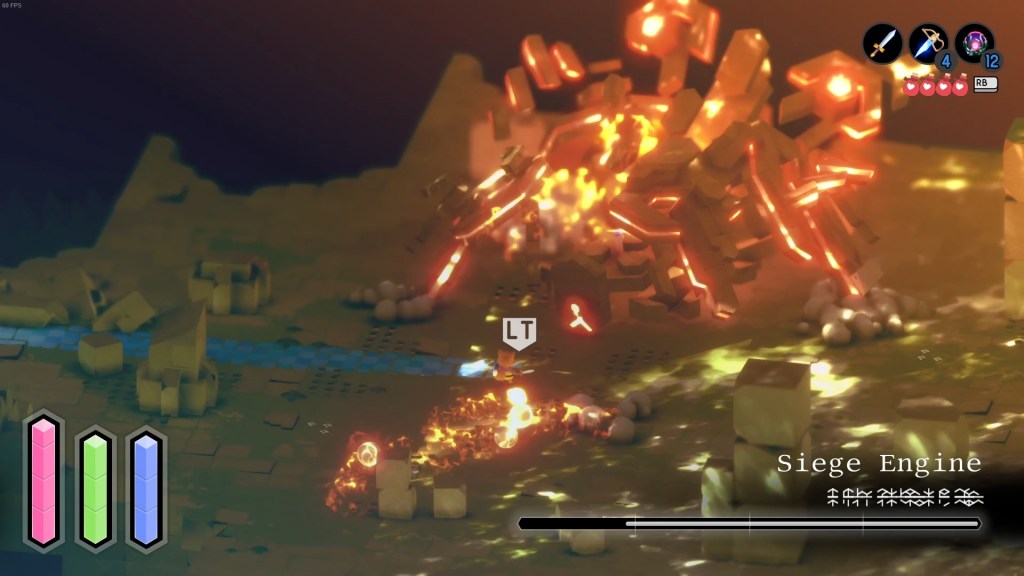
Wow, what a segway! So Tunic’s bosses ey? Would you be shocked if I said they’re rather unforgiving? Probably not, it’s probably the place Tunic really plays into those Souls comparisons, and it leads to a set of bosses that are hard to beat but each and every fight was, in my opinion, brilliant. Striding the line between frustration and difficulty, Tunic manages to nail the tricky landing of keeping players engaged with boss fights even after they’ve had their arse kicked for an hour straight.
In classic videogame fashion, every boss has a range of ‘tells’ that you’ll be able to use over time to figure out what their next move is, and these epic fights turn into real-time chess duels, with two parties evading the other and searching for the small windows of opportunity to get a few sword slashes in. I lost a lot of those duels, but every time I jumped back into the ring I made progress. When I would eventually deal that killing blow I could look back at the journey I’d taken and be proud of the lessons I had learnt. That to me, is what makes a good boss fight, and I don’t think a single fight in Tunic left me with anything but a huge degree of satisfaction.
Making The Inaccessible Accessible
From my own perspective, there seems to be a lot of discussion around Tunic regarding two linked concepts, those being its difficulty, and accessibility. In all honesty this conversation seems to come up every time any game with any modicum of difficulty arrives on the scene, and inevitably we all have to deal with a group of manchildren crying over ‘compromising the experience’ and all that twaddle. Luckily, Tunic developer Andrew Shouldice has a level head on his shoulders and has stuffed Tunic with some great options aimed at giving players of all types a great experience. In an interview with Wired late last year, he offered a small bit of insight into the process behind accessibility implementations in Tunic.
“It’s true that challenging combat is a core part of Tunic. However, including options like No Fail Mode does not ‘compromise the integrity’ of the game or anything like that”
Andrew Shouldice – Interview with Wired (Published December 28th 2022)
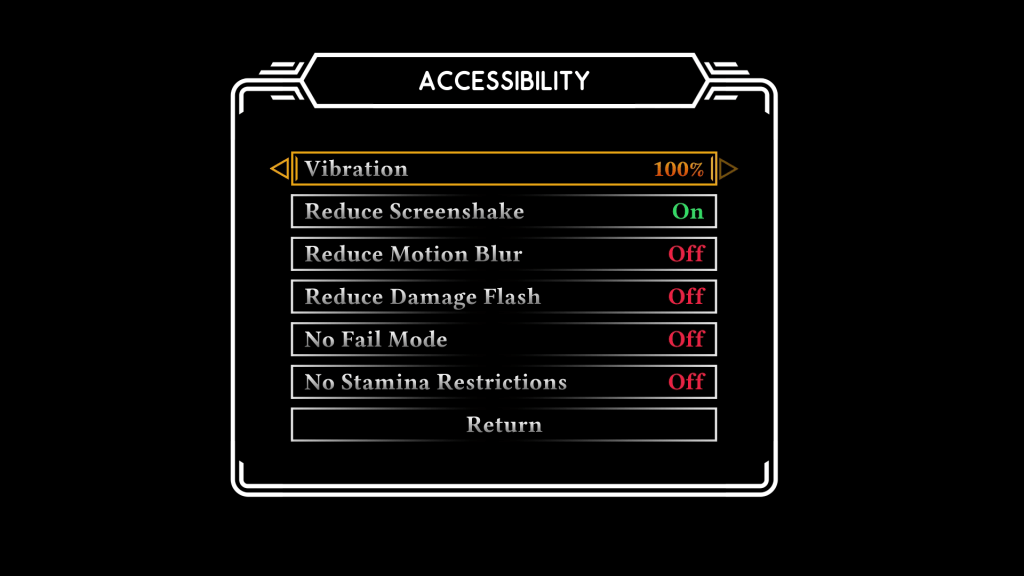
This logic is evident when you take a look at some of the options included within the game itself, the aforementioned ‘No Fail Mode’ being the most extreme of these, making it near impossible for players to die. Perfect for those who are solely interested in the puzzle and exploration side of things. Elsewhere there’s less obtrusive options too, the ability to reduce motion blur and screen shaking is a welcome inclusion that should be a standard across the industry at this point.
There’s also the ability to easily switch on, and off, a reduced combat difficulty setting, as well as removing stamina restrictions. Whilst I personally didn’t make use of the stamina option, I definitely tuned the combat challenge down in a few places, ah the shame! Seriously though, despite the (in places) weird conversation online about the purity of difficult experiences, it’s a welcome shift to me that developers are continuing to offer such flexibility in how people choose to consume an experience.
I turned the difficulty down for one dungeon, and one boss, both of which allowed me to overcome frustrating periods and instead greatly enjoy the experience again. As players of all abilities continue to consume videogames, it is a responsibility on the developer/publisher side to try and ensure anyone can have an enjoyable experience, regardless of how they choose to do it. To see a game that is proud of its difficulty embrace these accessibility options demonstrates how the idea that it ‘ruins hard games’ is a load of hogwash perpetuated by always online oddballs who can’t possibly cope with the idea of someone else having fun unless they’re prepared to ‘get good’ and smash their head against a brick wall of a boss fight for days on end. Anyway, rant over, and great job Tunic for delivering a solid set of options for the player to test out.
A World of Adventure
Tunic’s greatest achievement is managing to present everything I’ve spoken about so far in the most gorgeous and carefully crafted package I have experienced in a video game. From the in-game manual, to the entire in-game language, and the incredibly effective use of environmental storytelling, every last inch of Tunic’s world has been created with huge volumes of attention and care. So where do we start? Funnily enough, my introduction to Tunic came through the games soundtrack, which I accidentally shuffled into after listening to the album for Hyper Light Drifter. A blend of electronica and lo-fi with a small sprinkling of almost trippy dream-pop at times, Tunic’s soundtrack is a genuinely phenomenal composition of music entirely on its own, and I instantly fell in love with it.
The soundtrack is an adventure in itself, combining upbeat tracks lathered in emotions of hope and exploration, to more dark affairs, unnerving even, offering suggestions of something more foreboding. As you play Tunic, you’ll often feel these emotions taking hold within you without even realising. Most of all though, each piece of music instills a sense of wonderment within the player, heavily leaning into the ethereal and mysterious elements of the games world to fantastic effect. I could listen to tracks like ‘Mirror Moon’ and ‘The Round Table’ for hours on repeat, in fact I probably already have by the time you’re reading this! I don’t think a soundtrack has ever made me buy a game before, so kudos to Lifeformed!
Tunic’s visual design is arguably incredibly simple, making use of clean sharp lines and bright colours to deliver some rather delightful environments. The decision to make use of relatively low-poly designs is a masterstroke in my opinion, it’s the only place Tunic opts to keep things basic, and it helps instills an almost childlike sense of adventure in you as the player. To me, Tunic is an example of taking classic visual design and bringing it into the modern day, it’s how we imagined our favourite games as a child, before we go back to play them after 20 years and realise how rose-tinted our glasses were. Despite this simplicity, Tunic delivers some drop-dead gorgeous locations for player’s to explore, my personal favourite being The Cathedral and The Library. What Tunic does brilliantly is make each area feel incredibly distinct with its visual aesthetic, something which leaks into your mood when playing.
The starting area, known as ‘The Overworld’, feels very familiar instantly. Green grass and blue oceans meet the player as you begin your adventure. It instills a sense of comfort and calmness, even if this world is an alien one, you’re treading familiar ground. Only when you begin to explore further afield does Tunic remove this squishy feeling of comfort, replacing it with both intrigue and foreboding. Exploring abandoned temples and fog-filled quarries is a far cry from where you started, these harsher environments are unwelcoming, and you’ll spend your time there contemplating whether it was the right decision to potentially awaken what lies within.
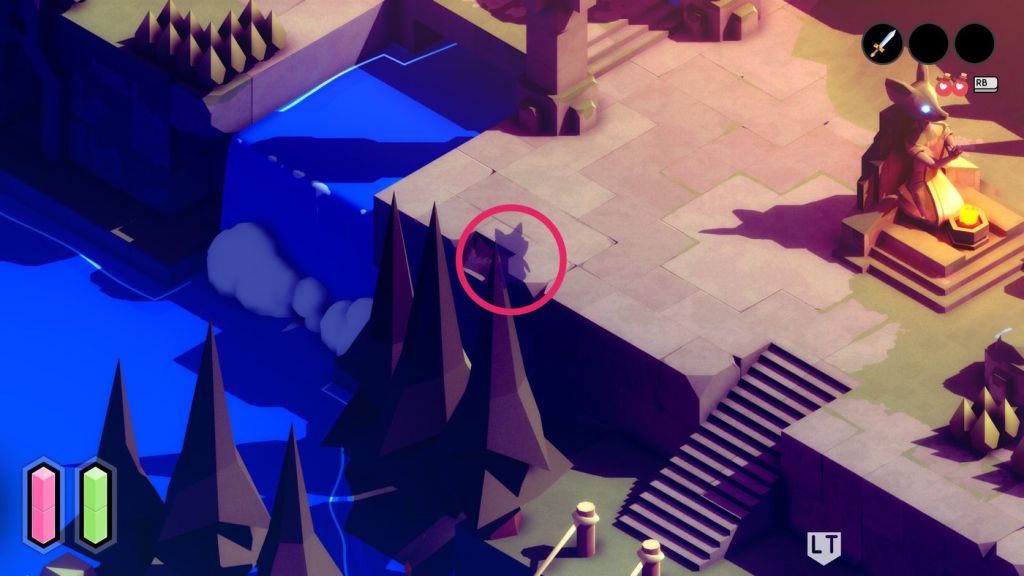
Wherever you find yourself in Tunic, there are secrets and hidden paths to be found. Akin to how most abilities are gated by knowledge, the same is true of these hidden tidbits. The majority of Tunic’s shortcuts and hidden areas are kept a secret because of the viewpoint the game employs. Tunic employs an off-centre isometric camera aside from when you’re locked on to enemies, and the level design is built on this, with trees and rock faces used to disguise secret paths and even hide the occasional chest. The amount of times I bimbled down a path only to discover that I had reemerged in a location I had just visited not 10/20 minutes before was far too many to count. As with many parts of Tunic, a careful eye would have let me discover said path much earlier, I clearly need to sharpen my observational skills!
[Not] Reading The Room
The last thing I want to touch on before I wrap everything up is Tunic’s use of its in-game language and the effect it has on the experience as a whole. If every other aspect of Tunic’s ingenious methods of generating an exceptional atmosphere of adventure are the various components of a well-polished orchestra, it’s entirely fictional language is the conductor bringing it all together. Language is often the biggest familiarity we can have with a video game before we end up plowing 10s of hours into it, and removing this comfort blanket brings a fascinating new edge to playing Tunic.
Allow me to reminisce for just a moment. The first time I played Breath of the Wild, I, like so many, ran out of the cave and found myself in awe of the world that lay before me. So many possibilities, so many interesting objects catching my attention, and Hyrule Castle standing alone in the distance… Your sense of wonder is piqued even further by the interactions you have with a strange old man, who speaks of strange towers and mysterious shrines, the game isn’t holding your hand, but, even if just for a small period of time, you have a decent semblance of where you’re going. There’s no order to complete the Great Plateau shrines in, but you’re given a very clear objective, a definitive route of engagement, even if it is only the case for this ‘tutorial’ like area.
your Trunic is it..?
Now imagine the beginning to Breath of the Wild, but instead of the old man guiding the way there’s nothing. No objectives, no clear idea of how to progress the story, and every time you interact with an object a garbled array of Hylian presents itself to you. That is the exact situation that Tunic drops you into, every percentage of progression is owed to the player alone. The manual does contain small snippets of English, but it is often vague, and relies on the player having the spirit and desire to fill in the gaps themselves. What would normally be important lore in other games, can be entirely missed in Tunic, and the game itself is totally ok with you doing that. I think in part Tunic is comfortable with this choice because it has an inkling you’ll put in extra work to discover these things on your own accord. As soon as I had wrapped up all the endings I plunged myself into the game’s subreddit and my first priority was working out all the cool details I had missed. Luckily for dumb people like myself, the amazing folks in the game’s subreddit have created a whole guide to Trunic, including an English to Trunic translator! I learnt so much about the game from these interactions with fellow players, discussing theories and learning small lore nuggets from incredibly well-informed Tunic-heads as I call them.
These conversations reminded me a younger Tom talking about outlandish Pokemon-based theories in the playground at school. Exchanging ideas, theories and the sort, not knowing who’s right or wrong, but everyone brought their own perspective and thoughts to the conversation. This is something that I sorely miss nowadays, there’s hardly any mysteries in games anymore, everything has been dissected and analysed, little is left to be speculated about. Tunic brought this magic back to me, if only for a brief moment in time, and it has been something I have wholeheartedly thrown myself into. All of this is possible because of Tunic’s desire (and successful execution of said desire) to deliver an experience that drip feeds knowledge to the player to keep them engaged, but leaving enough on the side to ensure the sense of mysticism that those first minutes of any new game make you feel.
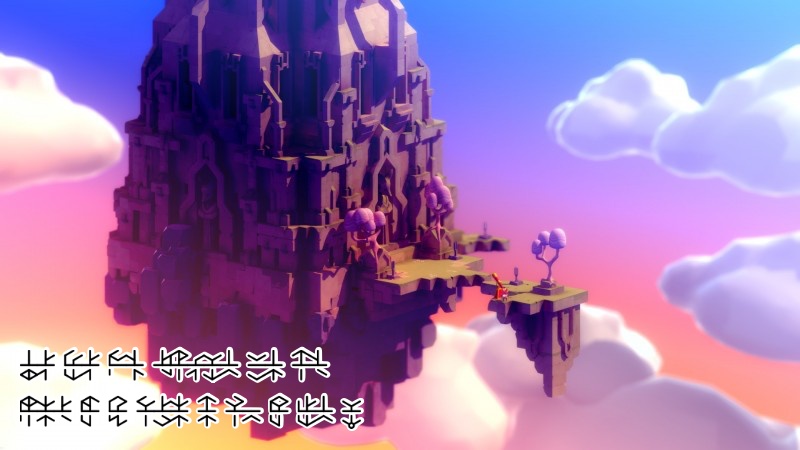
I can definitely understand someone disliking this whole schtick, it does border on the obtuse at times. I had a few moments of wondering ‘what on earth am I even supposed to do?!’, Tunic will always point you in the right direction, but my word sometimes it is incredibly tricky to work out where the bloody arrows are. I loved this though! It’s so refreshing to play an action game that’s difficulty at time stems from making use of your brain instead of mashing buttons. I love puzzle games, and Tunic is a giant puzzle box.
Where Do We Go Now?
And here we are, at the end of what I imagine is a rather long piece of writing. I’m quite surprised that a page of illegible scrawls has somehow ended up leading to this, I need a coffee, and I need to put my laptop away for a bit!
I’m honestly not sure what else there is for me to say about Tunic. Part of me wishes I could play it again for the first time, but then another part of me wouldn’t wish for my first time with Tunic to be any different. It’s found itself in the same part of my heart that Breath of the Wild did six years ago, a place in the echelons of my own experiences in this wonderful medium. Playing Tunic made me feel like a child again, amazed at the wonders of both the video game world, as well as the very real natural world I found myself surrounded by. That sense of wonder, a fear of what lies ahead but a desire to press forward and find out all the same.
It’s a hard feeling to find in most modern-day releases. In the age of map markers, far too detailed quest logs, and constant guidance, there’s little room for a game that chucks you into a situation and then leaves you to your own devices. That’s the reason Tunic works so well though, and the exact thing that makes it a very real adventure, even if it is taking place on a monitor screen. You’ll die (a lot), you’ll definitely get lost (a lot), and you’ll probably get confused (a lot) too, but you’ll keep learning, and you’ll carry those lessons forward to the next encounter. Everything you learn leads to more questions, but if you’ve got a bit of ingenuity you’ll likely find most of the answers with (relative) ease.
The final puzzle is probably the greatest individual inclusion in a video game I have ever seen. The best part is you’ll spend the majority of the game not even realising you’re constantly solving it. That moment of realisation will undoubtedly lead to a smile slowly spreading across your face as you come to terms with what has been in front of you all along. It’s the ultimate example of Tunic’s wider design concept at work, and is something I hope will become as iconic to the gaming landscape as the Andrew Ryan’s reveal at the end of Bioshock, or that Psycho Mantis moment in Metal Gear Solid.
And that’s a wrap. So go play Tunic, I guess? I’d try to be all nonchalant and say, ‘It’s your choice; I don’t care’, but that would be a lie this time. Finishing this feels like a form of closure for me in a strange way. A small goodbye to an experience that has completely shook up my entire perspective on games as a medium, and one that I look forward to one day returning to.
Thank you Tunic, and thank you Andrew Shouldice.


Leave a Reply